The Roadless Rule
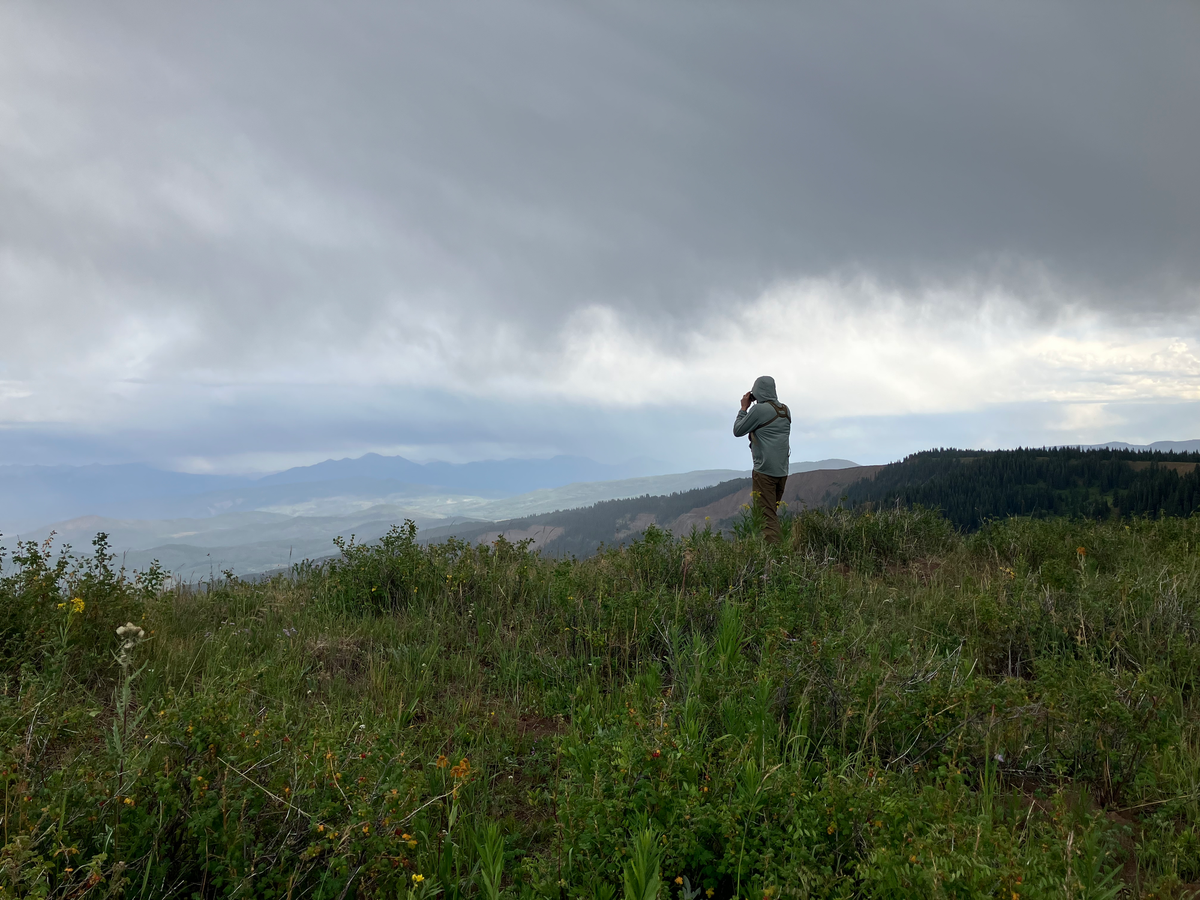
I spend a lot of my free time recreating on public lands. I am lucky enough to live in part of the country that has wide tracts of public land. But even if I lived somewhere without wide swaths of public land, the public lands all across the country would still be open to me to visit and use. That's the beauty of public land. They are owned by the public, and they are for the public to use.
The public is you. It's me. It's all of us.
And while there are various types of public lands, right now I want to talk about Federal public lands. The four biggest Federal public lands agencies are the United States Forest Service (USFS), the Bureau of Land Management (BLM), the National Park Service (NPS), and the United States Fish and Wildlife Service (USFWS).
All four of these agencies have different missions in managing their land, but ultimately, their land is there for the public to use and enjoy. The BLM will grant things like mining claims while the NPS is all about conservation, but in the end, you can hike on USFWS land just as well as you can hike on USFS land. Unless of course, the powers that be got rid of the land.
And because it's 2026, our public lands are at risk. Right now the powers that be wish to repeal the Roadless Conservation Area Rule, more often referred to as the Roadless Rule.
Currently, the Roadless Rule prevents 58.8 million acres of Forest Service land from having roads established in them. The powers that be want to reverse this and carve up these 58.8 million acres with roads.
In a nutshell, this rule allows a huge portion of our Nation's remaining complete tracts of natural ecosystems to remain intact. The moment we start to crisscross seemingly "unused" land with roads, we start to critically degrade these ecosystems. Everything from plant life to the picturesque mega fauna (think bears, elk, cougars, etc.) start to lose the ability to survive.
I'm not going to get in depth about the arguments for this because, in my opinion, the arguments for repealing this rule are motivated by short-term profit for everyone but the public, who again, owns the land. There are arguments for repealing the Roadless Rule about developing industry and being more prepared for wildfire, but all of it doesn't address the fact that for these areas to remain healthy and complete, there need to be spaces which do not contain human infrastructure, to include something as seemingly harmless as a dirt road. Clear cutting these areas does not help them remain healthy. Cutting them with roads, which always allows invasive weeds to take a foothold, on the auspice of "preparing for fire prevention" is completely at odds with the science of managing wildfires. Complete ecosystems without the establishment of invasive plants are more resilient to wildfire.
Whether you enjoy hiking or hunting, bird watching or picnics, rescinding this rule endangers these areas you go, or could go, or your children could go, to find peace and solace.
But this is not a doom and gloom post. Right now, public comment is open for arguing for or against repealing the Roadless Rule. And you can comment, until September 21st.
There is an art to writing an effective comment. Mostly, think back to when you learned to write that five paragraph essay. But, check out this link for How to Write An Effective Comment.
When you are ready, visit Regulations.gov to leave a comment. The Docket ID is FS-2025-0001-223869.
The powers that be tried something similar to this about this time last year. The Bureau of Land Management (BLM) had a rule which protected intact ecosystems on BLM land and the powers that be wanted to rescind it. But the public participated in the public comment period and prevented the rule from being rescinded, helping ensure that BLM land with intact ecosystems stays intact.
We can do the same thing again. Make your voice heard. Speak up for the and that belongs to you. Leave a comment at Regulations.gov in support of the Roadless Rule.